- New
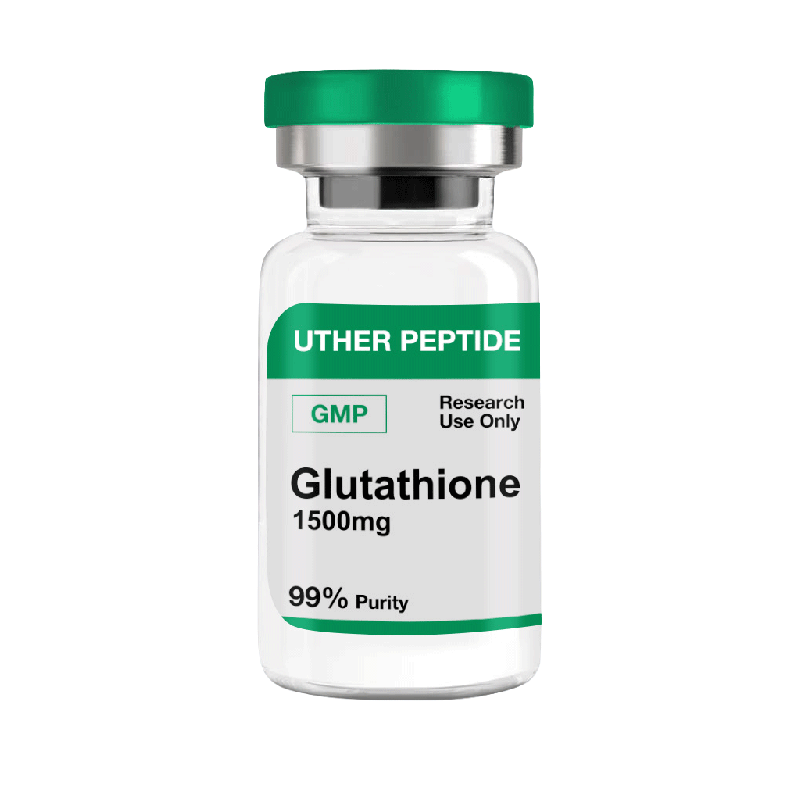
Glutathione is a naturally occurring tripeptide developed for experimental investigation of cellular redox regulation, antioxidant defence mechanisms, and thiol-dependent biochemical signalling pathways.
 Cut off Times
Order before 15:00 for same day dispatch
 Delivery policy
Royal Mail Tracked 24
 Return policy
Moneyback guarantee
Synonyms / Designations: Glutathione, Reduced Glutathione, GSH, γ-L-Glutamyl-L-cysteinylglycine
CAS Number: 70-18-8
Molecular Formula: C10H17N3O6S
Molecular Weight: 307.32 g/mol
Chemical Classification: Naturally occurring tripeptide; intracellular antioxidant
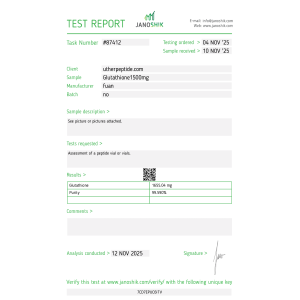
Purity: Conforms to internal specification
Appearance: White lyophilised powder
Pack Size: 1500mg
Storage: Best stored frozen. Discard 30 DAYS after opening.
Glutathione is a naturally occurring tripeptide composed of glutamic acid, cysteine, and glycine. It is ubiquitously present in mammalian cells and plays a central role in redox balance, cellular detoxification processes, and maintenance of intracellular thiol status.
In biochemical and cellular research systems, glutathione is widely used as a reference compound for studying oxidative stress, redox signalling, enzymatic detoxification pathways, and glutathione-dependent enzyme activity. Experimental investigations commonly focus on its interaction with glutathione peroxidases, glutathione S-transferases, and redox-sensitive signalling proteins. Observed effects are dependent on concentration, cellular context, and experimental design, and are used to investigate molecular mechanisms rather than defined physiological outcomes.
• Redox biology and oxidative stress studies
• Investigation of antioxidant defence mechanisms
• Enzymatic assays involving glutathione-dependent enzymes
• Cellular detoxification and thiol metabolism research
• Reference standard for antioxidant and redox-active compounds
Purity: Conforms to internal specification
Appearance: White lyophilised powder
Molecular Weight: 307.32 g/mol
Chemical Type: Tripeptide antioxidant
Solubility: Water
Storage: Best stored frozen. Discard 30 DAYS after opening.
Pack Size: 1500mg
• Glutathione is readily oxidised to glutathione disulfide (GSSG)
• Buffer composition and pH may influence stability and redox state
• Appropriate controls are recommended when studying redox-sensitive systems
• Intended strictly for laboratory research use; not for human or veterinary application
Larsen P.J. et al. Amylin receptor agonism and metabolic regulation. Diabetologia.
https://pubmed.ncbi.nlm.nih.gov/36242844/
Gydesen S. et al. Cagrilintide, a long-acting amylin analogue: pharmacology and receptor activity. Diabetes, Obesity and Metabolism.
https://pubmed.ncbi.nlm.nih.gov/33502015/
Hay D.L., Poyner D.R. Amylin and calcitonin receptor signalling mechanisms. British Journal of Pharmacology.
https://pmc.ncbi.nlm.nih.gov/articles/PMC5740251/
Novo Nordisk. Scientific communications and research information on AM833 (cagrilintide).
https://sciencehub.novonordisk.com/search?query=cagrilintide
Keywords: Glutathione, Reduced Glutathione, GSH, Tripeptide Antioxidant, Redox Biology, Oxidative Stress Research Detoxification
Your review appreciation cannot be sent
Report comment
Report sent
Your report cannot be sent
Write your review
Review sent
Your review cannot be sent
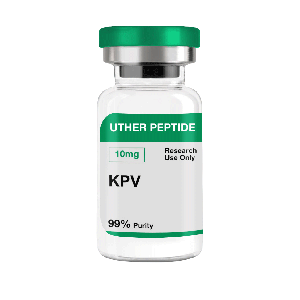
Reference: KPV10
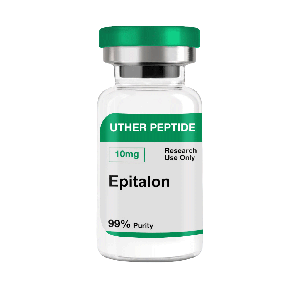
Reference: EPITH10
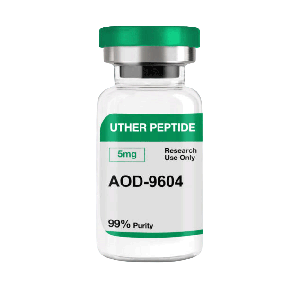
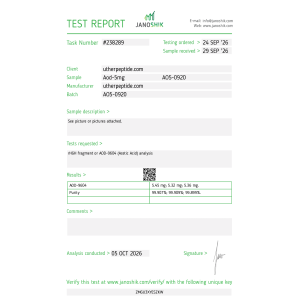
Reference: AOD5
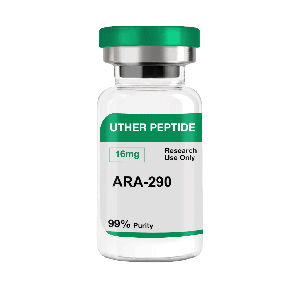
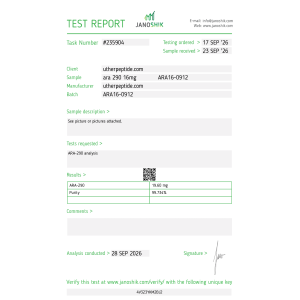
Reference: ARA290
Glutathione is a naturally occurring tripeptide developed for experimental investigation of cellular redox regulation, antioxidant defence mechanisms, and thiol-dependent biochemical signalling pathways.
check_circle
check_circle