- New
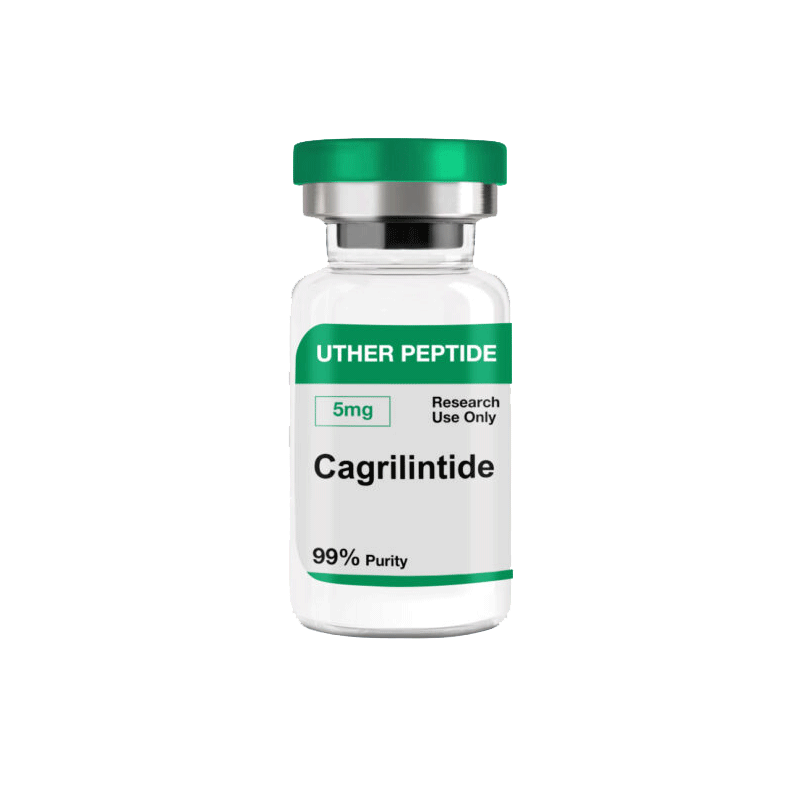
Cagrilintide is a synthetic long-acting amylin analogue developed for experimental investigation of amylin receptor–mediated signalling and peptide hormone interactions involved in metabolic regulation pathways.
The products offered on this website are furnished for in-vitro studies only. In-vitro studies are performed outside of the body. These products are not medicines or drugs and have not been approved to prevent, treat or cure any medical condition, ailment or disease. Bodily introduction of any kind into humans or animals is strictly forbidden.
 Cut off Times
Order before 15:00 for same day dispatch
 Delivery policy
Royal Mail Tracked 24
 Return policy
Moneyback guarantee
Synonyms / Designations: Cagrilintide, AM833, Long-acting amylin analogue, Dual amylin receptor agonist
CAS Number:1415456-99-3
Molecular Formula: C194H312N54O59S2
Molecular Weight: 4409.01 g/mol
Peptide Classification: Synthetic long-acting amylin analogue
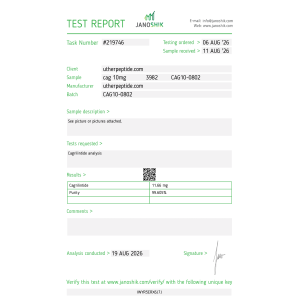
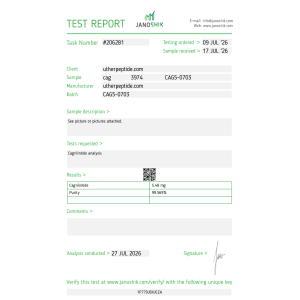
Purity: ≥ 99 % (HPLC, typical)
Appearance: White to off-white lyophilised powder
Pack Size: Research pack size (varies)
Storage: Desiccated, protected from light, stored at –20 °C
Solubility: Soluble in sterile water and buffered aqueous solutions
Cagrilintide is a synthetic long-acting analogue of the endogenous peptide hormone amylin, developed for experimental investigation of amylin receptor signalling and metabolic regulation. Structural modifications to the native amylin sequence enhance stability and prolong systemic persistence in research models.
In biochemical and cellular research systems, cagrilintide interacts with amylin receptors formed by calcitonin receptor complexes, activating downstream signalling pathways involved in appetite regulation, gastric emptying, and metabolic homeostasis. Experimental studies focus on receptor binding characteristics, signal transduction dynamics, and pathway modulation under controlled conditions. Observed molecular responses are dependent on experimental design, concentration, and model system, and are used to investigate peptide-mediated signalling rather than defined biological or clinical outcomes.
Purity (HPLC): ≥ 99 %
Appearance: White to off-white lyophilised powder
Peptide Type: Synthetic amylin analogue
Solubility: Water, buffered aqueous solutions
Storage: –20 °C, desiccated, dark
Larsen P.J. et al. Amylin receptor agonism and metabolic regulation. Diabetologia. PubMed abstract and citation:
https://pubmed.ncbi.nlm.nih.gov/36242844/
Gydesen S. et al. Cagrilintide, a long-acting amylin analogue: pharmacology and receptor activity. Diabetes, Obesity and Metabolism. PubMed abstract and citation:
https://pubmed.ncbi.nlm.nih.gov/33502015/
Hay D.L., Poyner D.R. Amylin and calcitonin receptor signalling mechanisms. British Journal of Pharmacology. PubMed abstract and review article:
https://pubmed.ncbi.nlm.nih.gov/18466316/
Novo Nordisk. Scientific communications and research information on AM833 (cagrilintide). Novo Nordisk Science Hub:
https://sciencehub.novonordisk.com/search?query=cagrilintide
Keywords: Cagrilintide, AM833, Amylin Analogue, Metabolic Peptide, Research Peptide
Your review appreciation cannot be sent
Report comment
Report sent
Your report cannot be sent
Write your review
Review sent
Your review cannot be sent
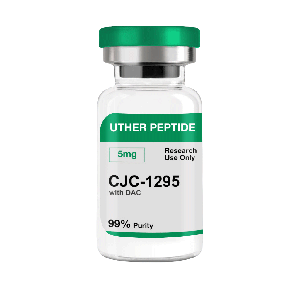
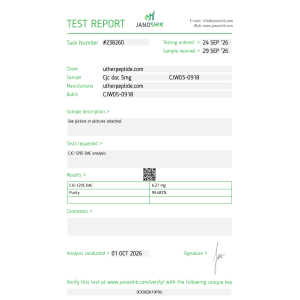
Reference: CJCWD5
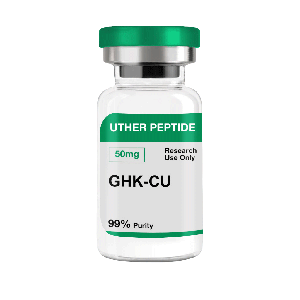
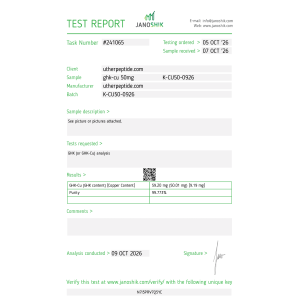
Reference: GHKCU50
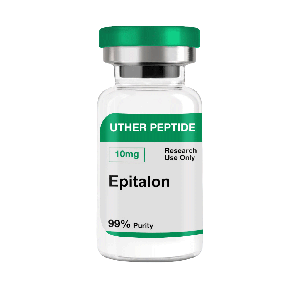
Reference: EPITH10
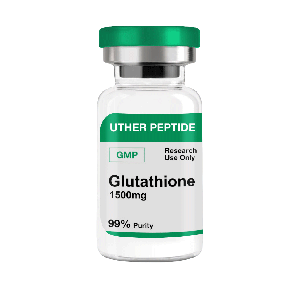
Reference: GLUT1500
Cagrilintide is a synthetic long-acting amylin analogue developed for experimental investigation of amylin receptor–mediated signalling and peptide hormone interactions involved in metabolic regulation pathways.
The products offered on this website are furnished for in-vitro studies only. In-vitro studies are performed outside of the body. These products are not medicines or drugs and have not been approved to prevent, treat or cure any medical condition, ailment or disease. Bodily introduction of any kind into humans or animals is strictly forbidden.
check_circle
check_circle